Hyatt Travel


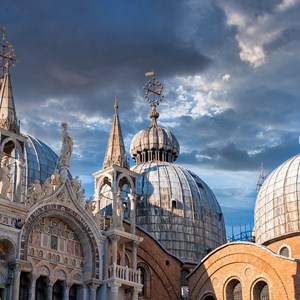
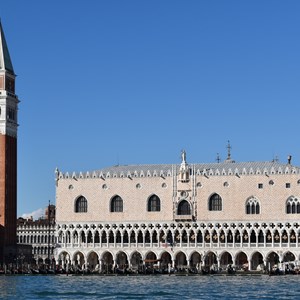
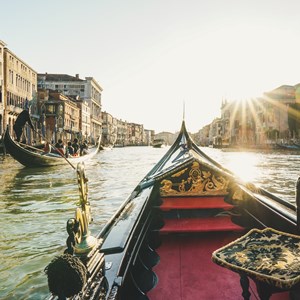
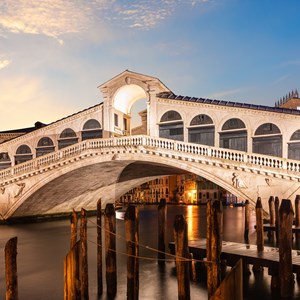
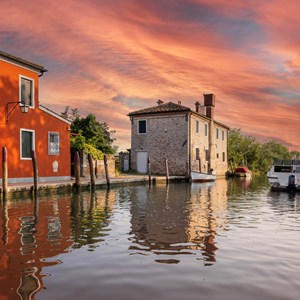
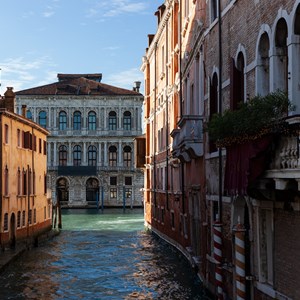
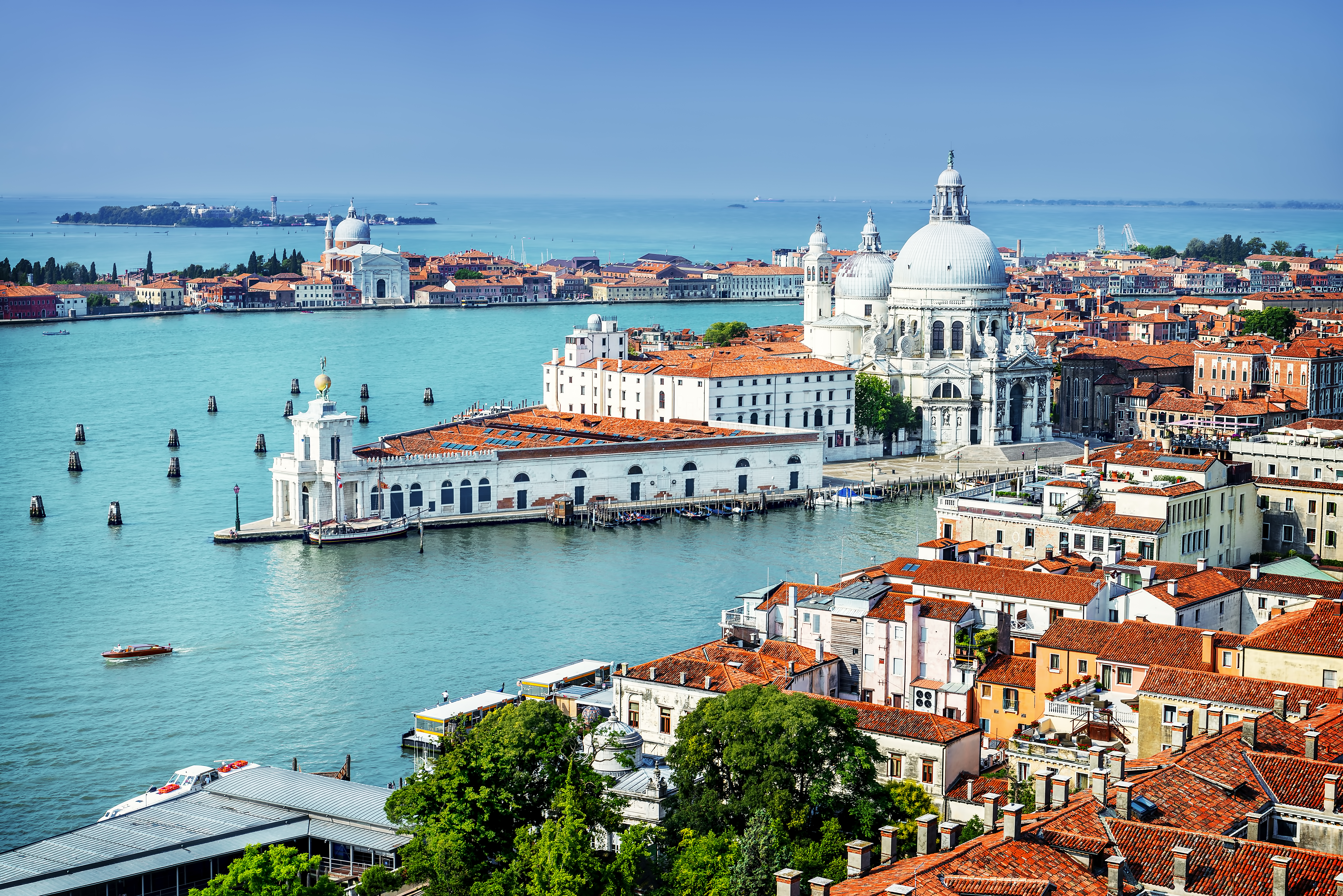
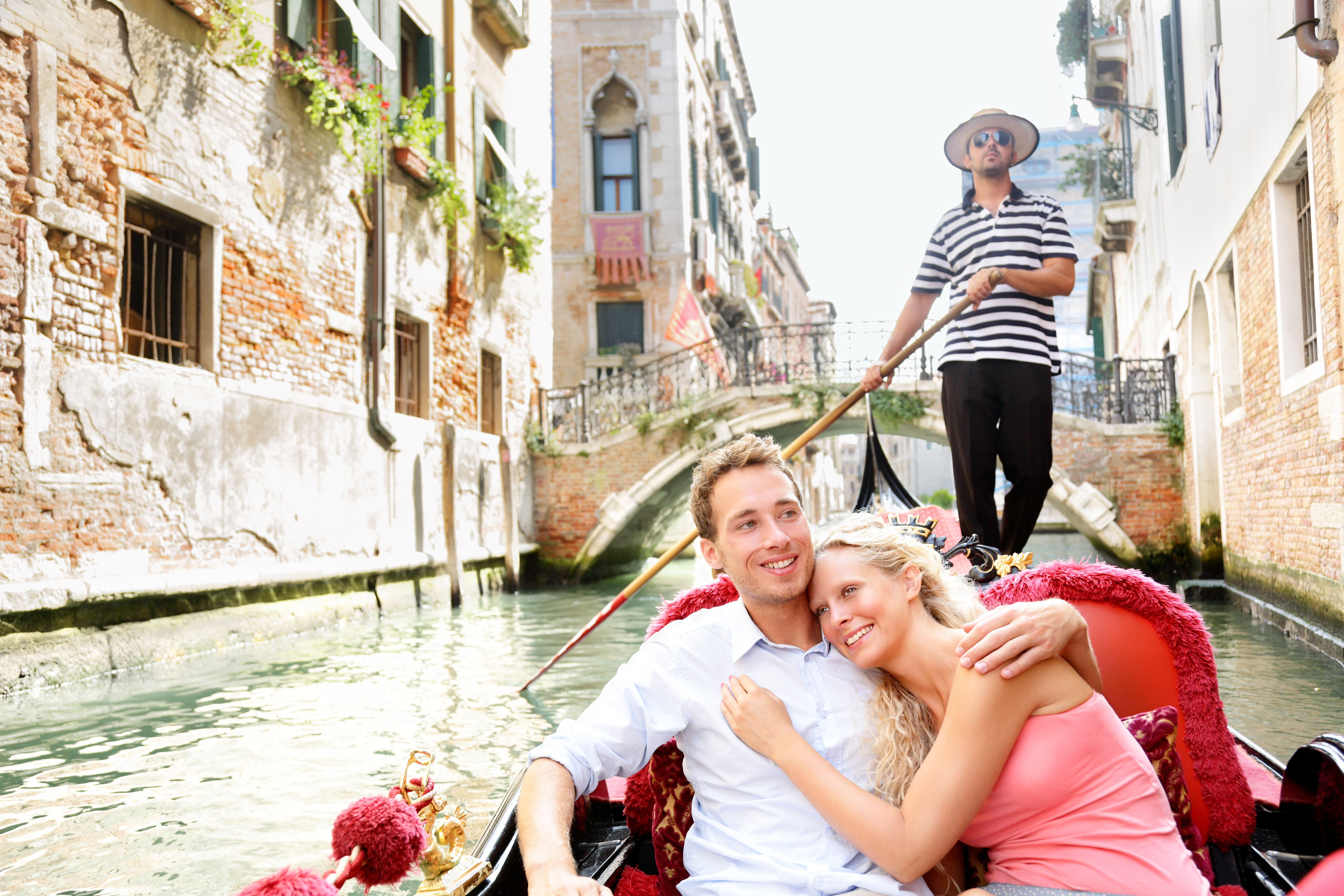
From its unmatched romantic allure to its historical heritage to its indisputable beauty, there is no other city like Venice. The "Queen of the Adriatic" is composed of a maze of islands, canals, and bridges, hiding magnificent buildings, historical landmarks of great artistic and cultural importance, as well as charming restaurants and squares. There are no cars in Venice, but you won't need them anyway since "The City of Bridges" is best explored on foot.
 ventdusud/Shutterstock.com
Historical evidence suggests that refugees founded Venice. When Germanic tribes ravaged northern Italy in the 5th century, many mainlanders escaped to this difficult-to-access area on the Adriatic Sea.
Over the centuries, the refugee community grew into the most powerful trading port in the Mediterranean. At its peak, Venice counted 3,000 trade ships and 300 navy vessels. After Napoleon's fall, it became part of the Austrian Kingdom of Lombardy-Venetia, but after the uprising in 1848, the city regained its independence. Shortly after, in 1866, Venice was annexed to the Kingdom of Italy. In 1932, the motor and rail bridge between Venice and the mainland opened, helping the city become a top tourist destination.
It can be a bit hard to navigate around the city, but don't let that put you off, as this is part of Venice's charm. Leave the other tourists at St Mark's Square and the Rialto Bridge and explore the maze-like little neighbourhoods instead. The most interesting areas and islands are Cannaregio, San Polo/Santa Croce, Dorsoduro, San Marco, and Castello.
 Maridav/Shutterstock.com
Venice is the only city of its kind in the world, a UNESCO World Heritage site representing a cultural absolute and demanding preservation and transmission to future generations. The whole city is a unique sight in itself, and the best way to enjoy its exceptional beauty is on foot.
 trabantos/Shutterstock.com
St Mark's Square
 StevanZZ/Shutterstock.com
Burano Island
 Stefan Malloch/Shutterstock.com
Murano Island
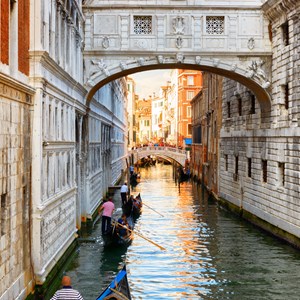 Efired/Shutterstock.com
Bridge of Sighs
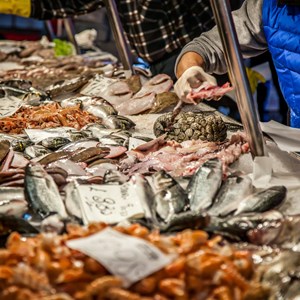 Ilia Baksheev/Shutterstock.com
Rialto Market
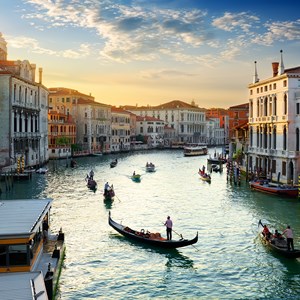 givaga/Shutterstock.com
Grand Canal
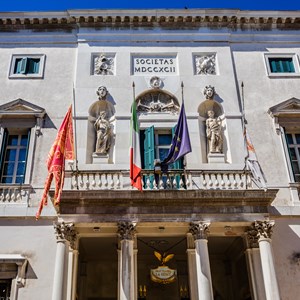 Kiev Victor/Shutterstock.com
Teatro La Fenice
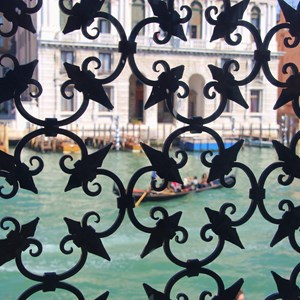 Uta Scholl/Shutterstock.com
Peggy Guggenheim Collection
 Renata Sedmakova/Shutterstock.com
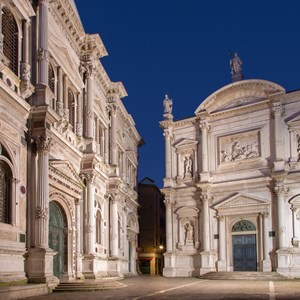
Scuola Grande di San Rocco
 mountainpix/Shutterstock.com
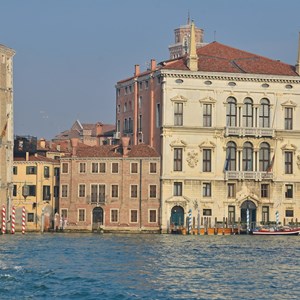
Ca' Rezzonico
 Boule/Shutterstock.com
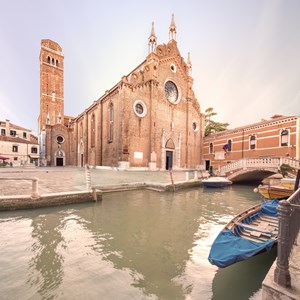
Basilica di Santa Maria Gloriosa dei Frari
 Kotin/Shutterstock.com
Musica a Palazzo
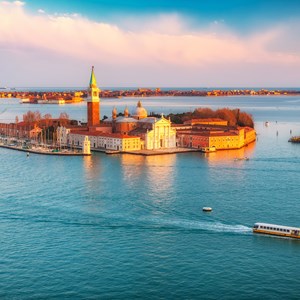 S.Borisov/Shutterstock.com
San Giorgio Maggiore
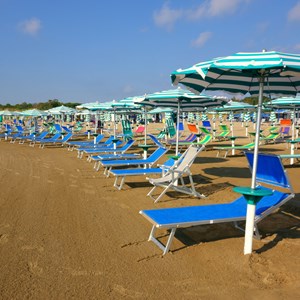 NitakPhoto/Shutterstock.com
Lido
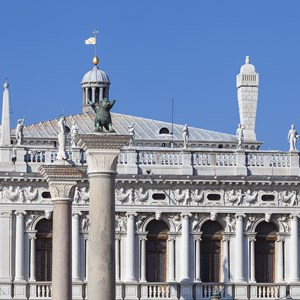 Jolanta Wojcicka/Shutterstock.com
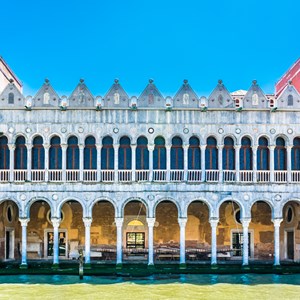
Marciana Library or Library of Saint Mark
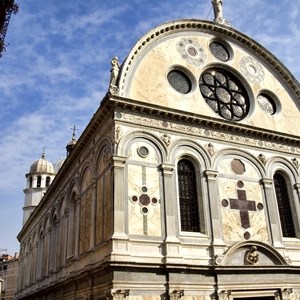 Adrian Zenz/Shutterstock.com
Church of Saint Mary of Miracles
 Paul Burdett/Shutterstock.com
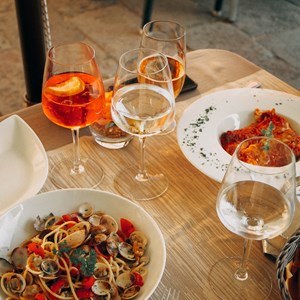
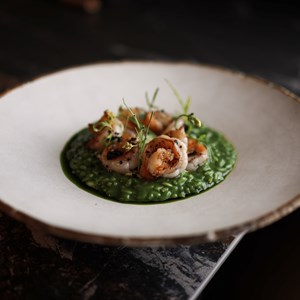
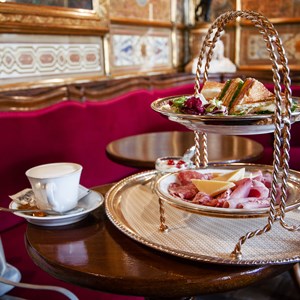
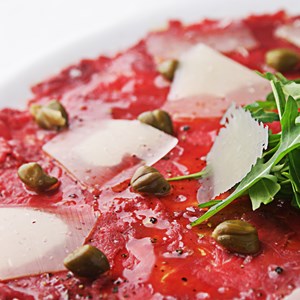
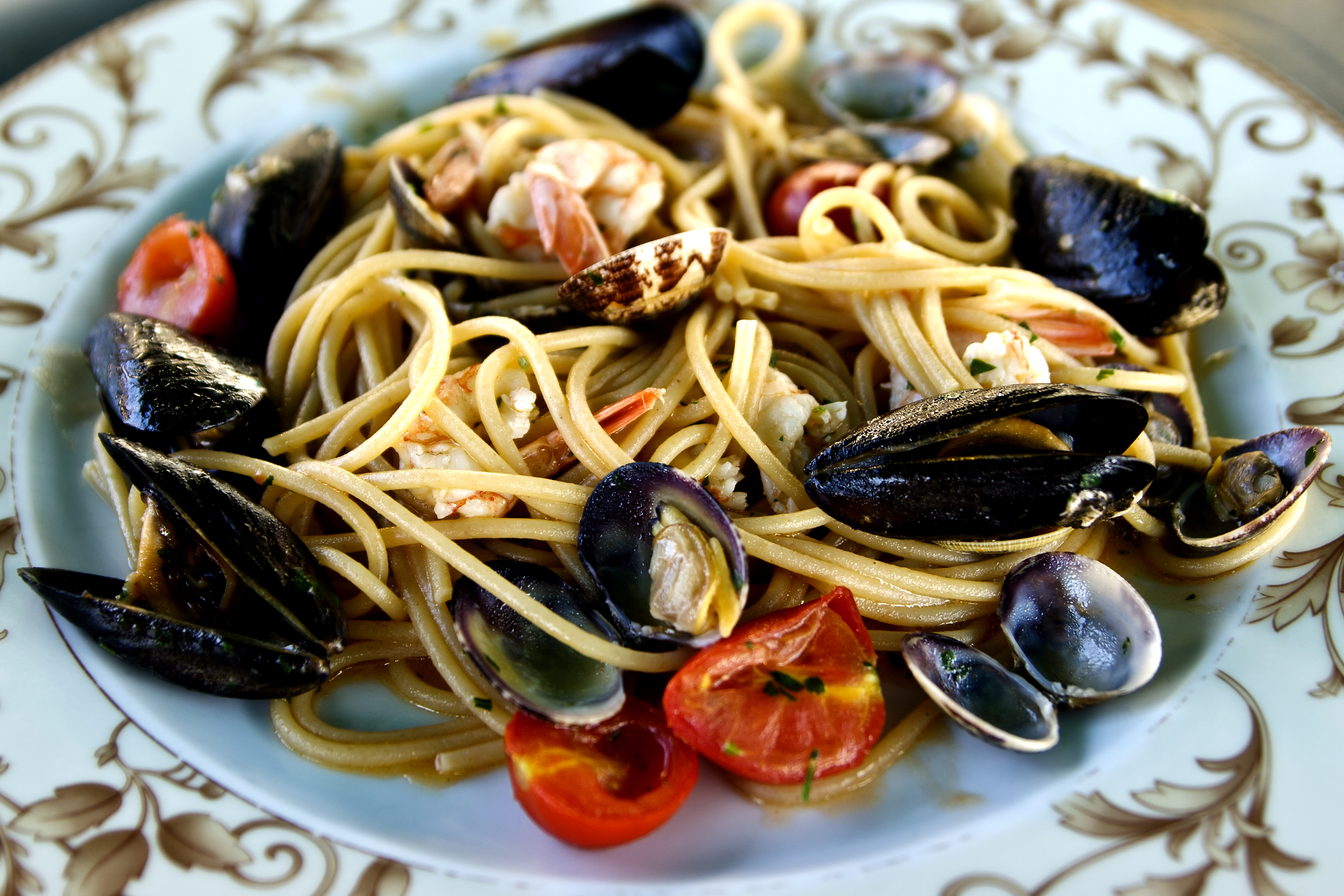
Venice has a wide variety of restaurants, and as with many Italian cities, the best dining experience can be found at a simple neighbourhood trattoria off the tourist trail. The city boasts many culinary specialities, like bigoli in anchovy sauce or castraure — tiny artichokes with Parmesan shavings and olive oil.
 Minerva Studio/Shutterstock.com
Vini Da Pinto
 Daxiao Productions/Shutterstock.com
Al Nono Risorto
 Bogdan Wankowicz/Shutterstock.com
La Zucca
 Oleg Mikhaylov/Shutterstock.com
Algiubagio Restaurant
 Kzenon/Shutterstock.com
Riviera
 marco mayer/Shutterstock.com
Osteria Antico Giardinetto
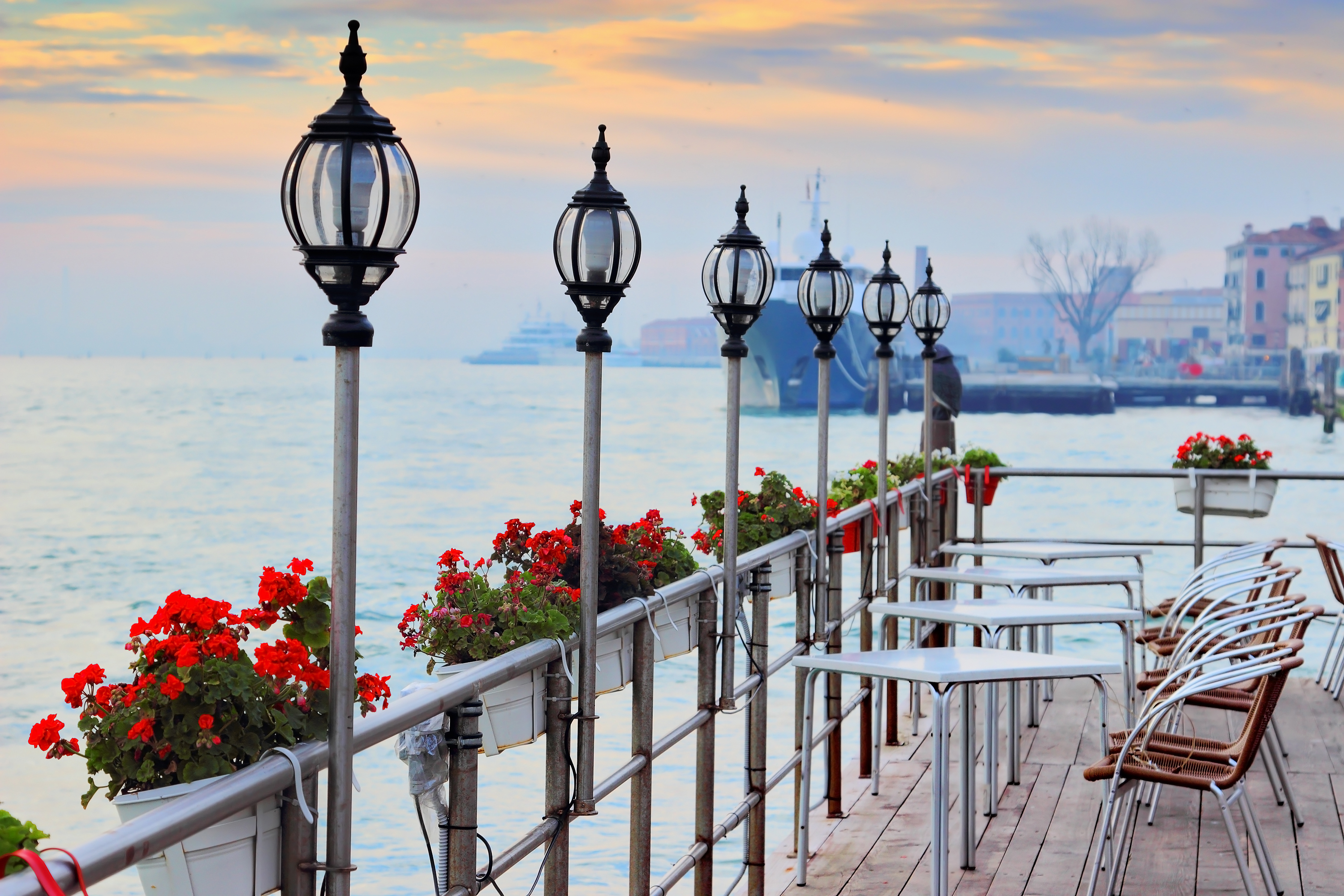 iryna1/Shutterstock.com
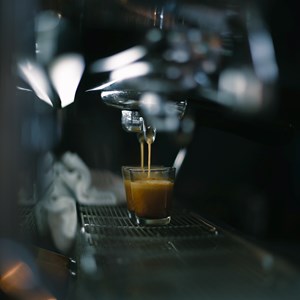
Coffee is as important as pasta for the Italians. And since it's where it all began — coffee was introduced to Europe through the port of Venice — it is no surprise the city is full of cafés.
If you want to act like a local, keep these unwritten rules in mind when ordering your coffee.
- Cappuccino or any other kind of coffee based on milk should only be drunk in the morning.
- When ordering an espresso, do not use the word espresso, which is actually just a technical phrase. Ask the barista for simply "un caffè".
- And last but not least, when ordering "un caffè", you do not usually sit down; you simply stand at the bar and enjoy your cup of coffee.
 MNStudio/Shutterstock.com
La Mela Verde
 Roberto Binetti/Shutterstock.com
Rosa Salva
 Coffee Lover/Shutterstock.com
Majer - Piazzale Roma
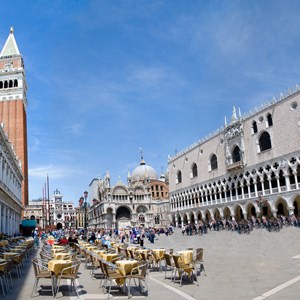 Mirelle/Shutterstock.com
Gran Caffè Quadri
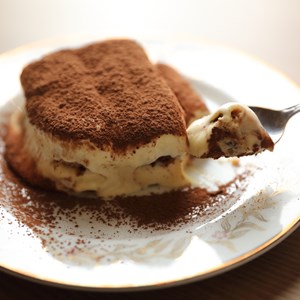 Piyato/Shutterstock.com
Pasticceria Rizzardini
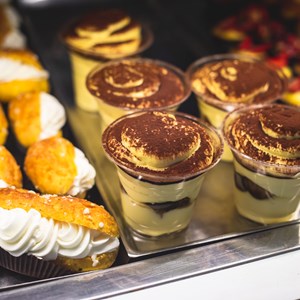 Tsuguliev/Shutterstock.com
Pasticceria Tonolo
 doma/Shutterstock.com
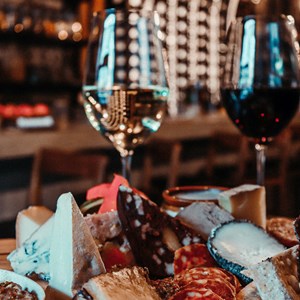
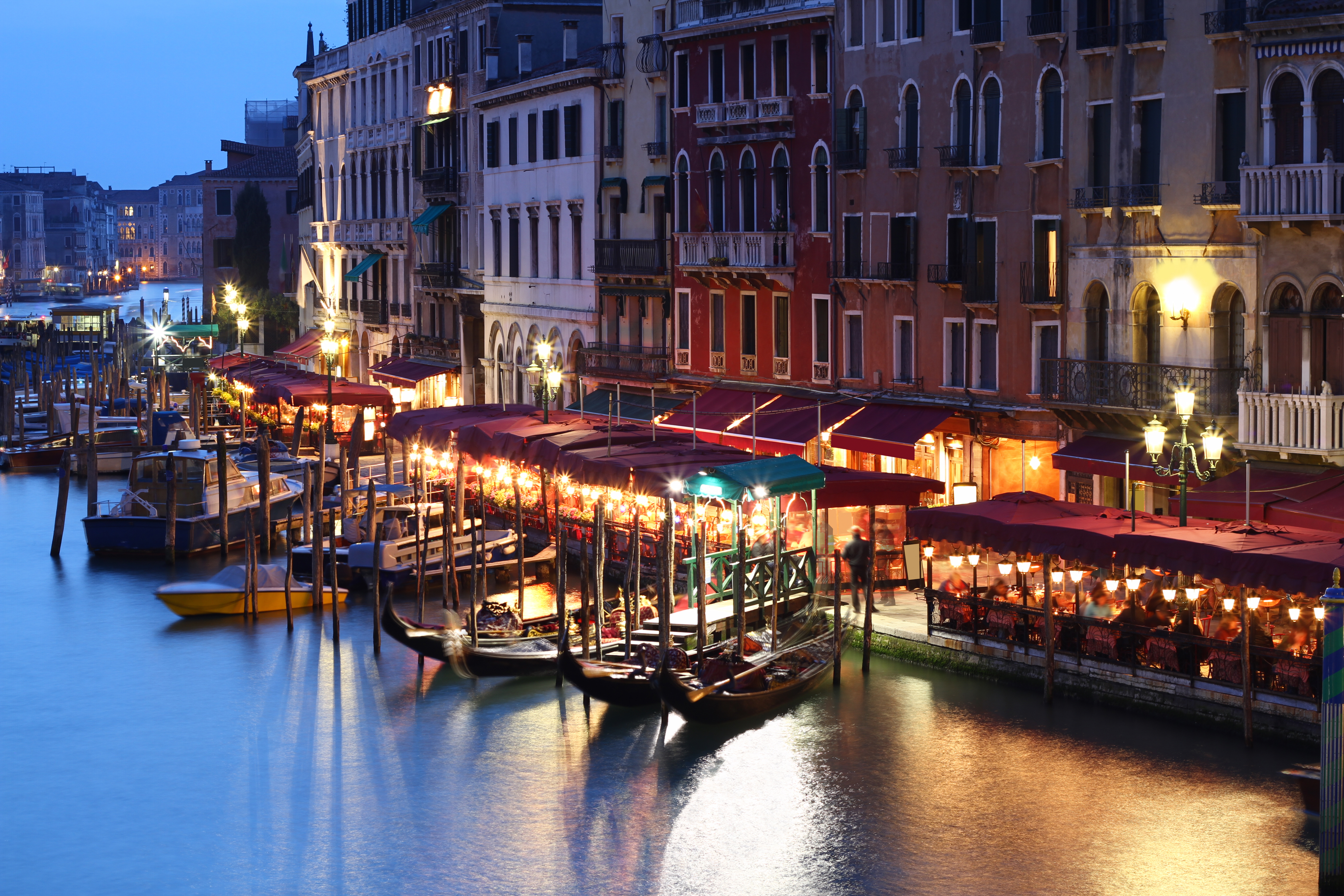
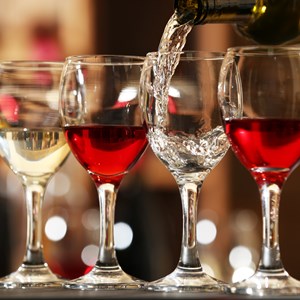
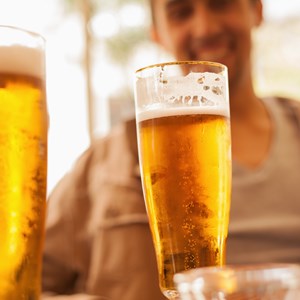
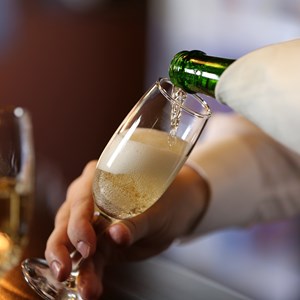
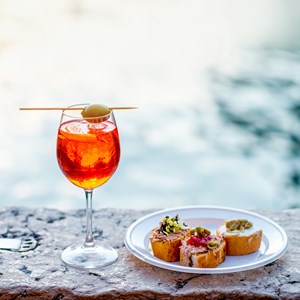
Bacaro (plural bacari) is the term Venetians use for bars. Traditional establishments feature simple furniture and serve ombre (small glasses of wine) and cicchetti (small appetisers).
Venice has many good bars, primarily in the Dorsoduro district. However, it's not a party scene city. Youngsters and party-seekers often hop over to Venice's modern sister city, Mestre, on the mainland. In summer, they prefer to travel to the seaside town of Jesolo, where they can tan and swim.
 Africa Studio/Shutterstock.com
Osteria Ai Pugni
 Lasse Ansaharju/Shutterstock.com
Venice Jazz Club
 g-stockstudio/Shutterstock.com
The Irish Pub Venezia
 Joshua Resnick/Shutterstock.com
Devil's Forest Pub
 Tsuguliev/Shutterstock.com
Chet Bar
 Rawpixel/Shutterstock.com
Aurora Beach Club
 petereleven/Shutterstock.com
Bar Dandolo
 zeljkodan/Shutterstock.com
Margaret DuChamp
 Africa Studio/Shutterstock.com
AquAlta
 Pressmaster/Shutterstock.com
Molo5
 serenarossi/Shutterstock.com
El Refolo
 RossHelen/Shutterstock.com
Osteria Al Squero
 VOJTa Herout/Shutterstock.com
Walking through the labyrinth of streets of Venice, you'll come across many interesting shops worth a visit. From traditional markets selling local specialities like prosciutto and a variety of Italian cheeses to shops selling Venetian treasures like a gondolier's hats and colourful glass items made on the island of Murano.
If you're after high-fashion shops, they're located on Via XXII Marzo and neighbouring streets. Via XXII Marzo stretches from St Mark's Square towards Academia, and it's one of the main streets for luxury shopping in Venice, where you'll find renowned brands like Prada, Valentino, Etro, Chanel, and Gucci. There's also a designer outlet located about 40 kilometres from Venice.
 Natalia Van Doninck/Shutterstock.com
Drogheria Màscari
 patpitchaya/Shutterstock.com
Banco Lotto n.10
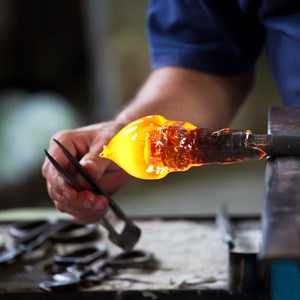 Sailorr/Shutterstock.com
Elle Elle - NasonMoretti store
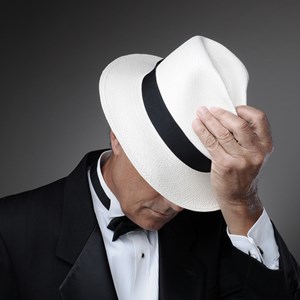 Steve Cukrov/Shutterstock.com
Giuliana Longo
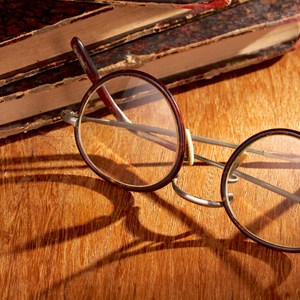 RG-vc/Shutterstock.com
Ottica Vascellari
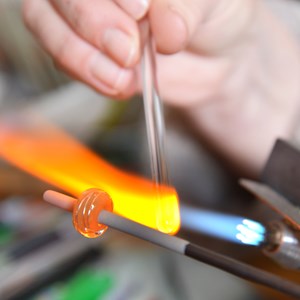 jps/Shutterstock.com
Marina e Susanna Sent
 HLPhoto/Shutterstock.com
Prosciutto e Parmigiano
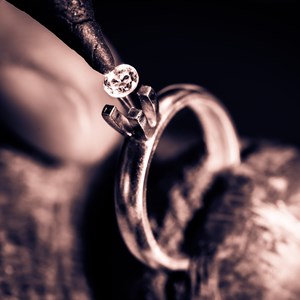 Jan Faukner/Shutterstock.com
Cipolato Sigfrido
 nenetus/Shutterstock.com
Designer Outlet Noventa di Piave
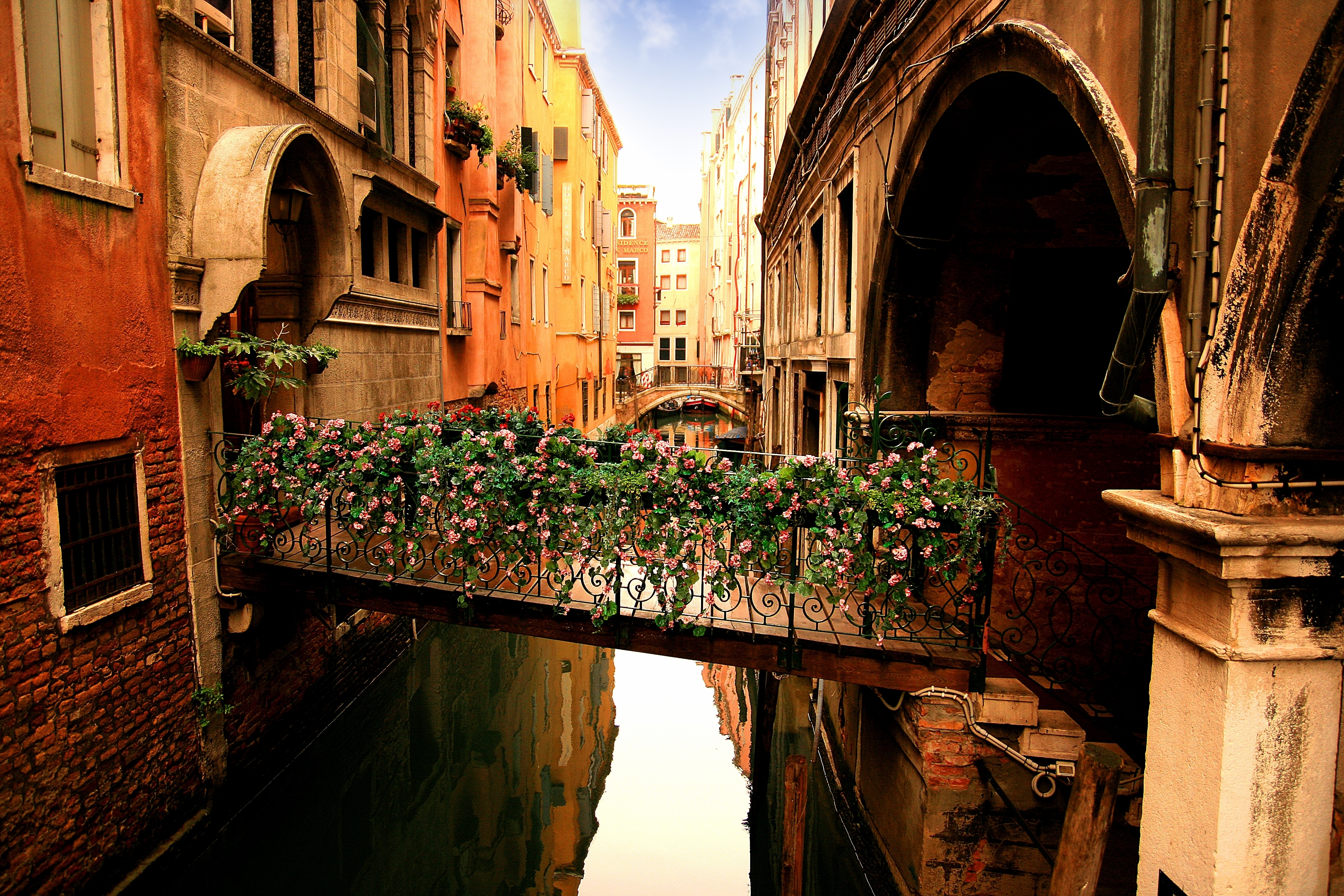 Lledo/Shutterstock.com
Best Time to Visit
The best time to visit Venice and enjoy sightseeing is mid-spring, particularly the first half of May when the cold winter gives way to sunny days and comfortably warm temperatures. With less boat traffic on the canals and calm waters, this season is best for relaxing on a gondola ride.
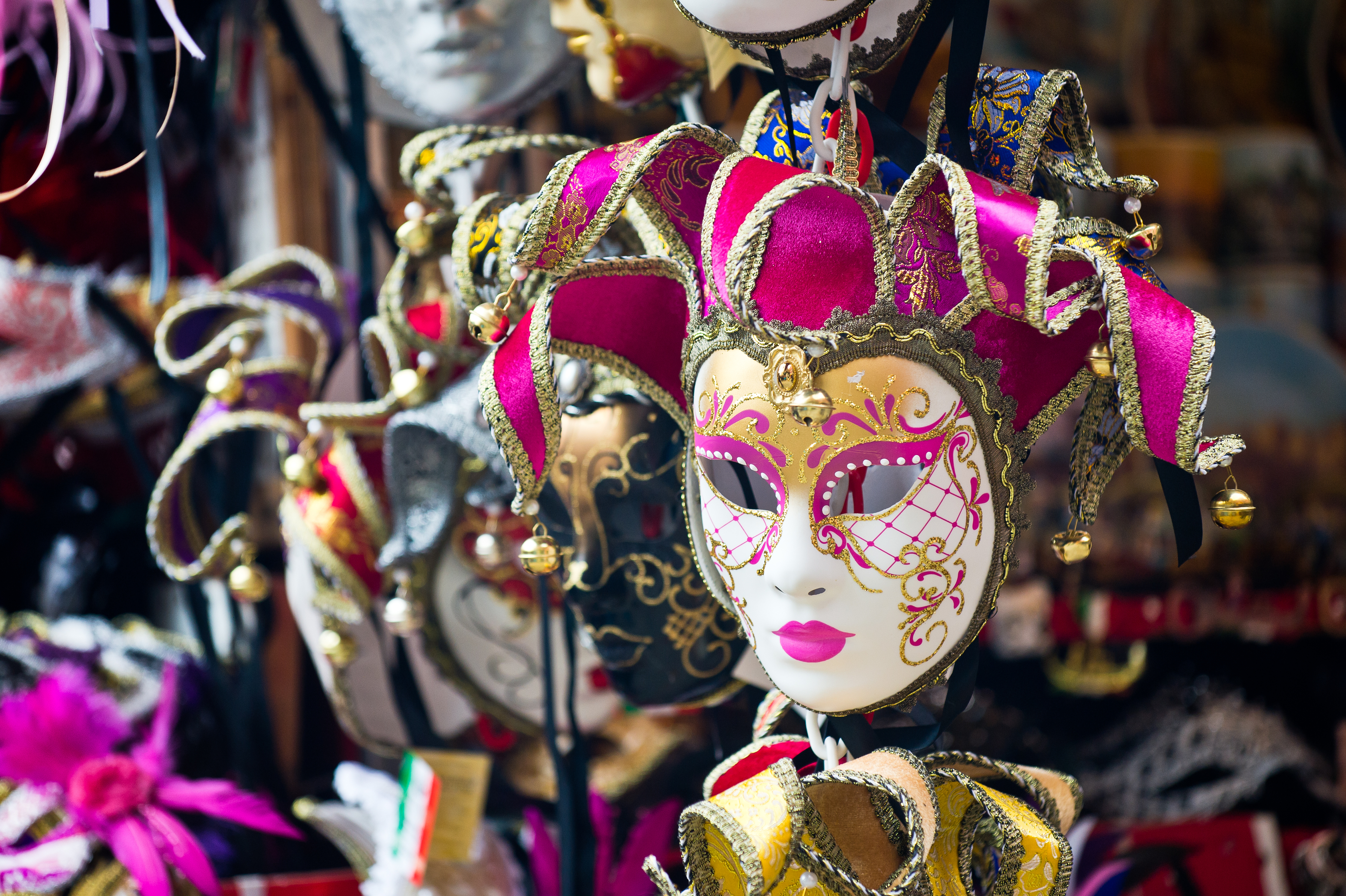
If you want to avoid the stress of the high tourist season, December through February may do the trick, with quiet, peaceful local areas. The low season also offers discounted accommodation rates. Moreover, the famous Venetian Carnival takes place annually in February, giving visitors the chance to join the festivities and try on a traditional ornate mask.
Address:
Email:
Phone:
Website:
More Information:
Venice Marco Polo International Airport (VCE)
Venice Marco Polo International Airport (VCE) is situated 13 km north of the city. There is a wide selection of transport from the airport to the city. Choose between buses, taxis, and boats.
If you choose a boat, be prepared for a short walk first. The water bus is operated by Alilaguna, and the journey takes about 1 hour and 20 minutes. There are also motorboats, and the price varies from company to company.
A land route to Venice is offered too. The two transport companies, ACTV and ATVO, have direct buses between the city and the airport. The journey takes approximately 20-25 minutes.
Address: L'Aeroporto di Venezia-Marco Polo, Viale Galileo Galilei, 30, Venice
Email:
Phone: +39 041 260 9260
Website: www.veneziaairport.it/en_gb
More Information: www.alilaguna.it
Treviso Airport (TSF)
Treviso Airport (TSF) is located 30 kilometres north of Venice and it's used mainly by low-cost airlines. ATVO and Barzi buses depart from/to Venice and the journey takes about 40 minutes. There is a ticket office located at the arrivals hall.
Address: Aeroporto di Treviso – Antonio Canova, Treviso
Email:
Phone: +39 0422 315111
Website: www.trevisoairport.it
More Information:
Passport & Visa
Citizens of European Union (EU) and European Economic Area (EEA) countries do not need a visa to enter Italy, only a valid ID. Many other countries, including the United Kingdom, United States, Canada, United Arab Emirates, Australia, and New Zealand, benefit from visa-free entry for short stays of up to 90 days within a 180-day period.
Visitors from visa-exempt countries must hold a valid passport and, starting in late 2026, will need to apply for an ETIAS (European Travel Information and Authorisation System) authorisation online before travelling.
For those requiring a visa, such as travellers from some Middle-East, African or Asian nations, a Schengen visa must be obtained prior to arrival. All travellers should ensure their passport is valid for at least three months beyond their intended stay.
Address:
Email:
Phone:
Website: https://home-affairs.ec.europa.eu/policies/schengen/visa-policy_en
More Information:
Public Transport
The ACTV operates ordinary buses together with the bus boats, the so-called vaporettos. Tickets can be purchased at the stations, from newsstands or on board the boats. There are also several travel cards to choose from, but remember that you need to swipe them before boarding. If you need to cross the Grand Canal, you can catch a traghetto, a large gondola leaving from different places between the bridges.
Address:
Email:
Phone:
Website: actv.avmspa.it/en
More Information:
Taxi
Taxis in Venice are mainly boats of different sorts. Travelling by gondola is rather expensive and it is better used for sightseeing or special excursions. The boat taxis are slightly cheaper. One of the premier boat taxi operators in Venice is Consorzio Motoscafi Venezia.
Address:
Email:
Phone: +39 041 240 671 1
Website: www.motoscafivenezia.com/en
More Information:
Frequently Asked Questions about Venice (FAQs)
Does Venice smell?
Unlike what you might have read or heard, Venice does not smell. If anything, what you will smell in the city is the salt water from the canals, just like you would at any seaside destination. However, what can happen on the hottest days of summer is that the low water levels in smaller canals allow for the contact of algae from the lagoon with the atmosphere and its consequent deterioration. But other than that, Venice is not smelly at all.
Is Venice safe for tourists?
Despite being one of the most visited cities in the world, Venice is a fairly safe city for travellers. However, as with most major tourist destinations, pickpocketing is the biggest concern here. So be careful with your belongings around the city's main attractions, such as Piazza San Marco and the Rialto Bridge.
Is Venice sinking?
Yes, Venice is progressively sinking. A combination of factors is causing the city to continuously drop in elevation. From the city's inadequate foundations — the ground beneath Venice has slowly compacted over time — to the subduction of the Adriatic tectonic plate beneath the Apennine mountains to the rising sea level caused by global warming. Studies suggest that Venice could be underwater by the year 2100. In addition, studies have also shown that Venice is gradually tilting slightly to the east.
Address:
Email:
Phone:
Website:
More Information:
Post
Stamps can be purchased from tobacconists that carry either the blue and white "Tabacchi" sign or that are simply marked with a "T". There are a couple of post offices across the city.
Address: Ufficio Postale Poste Italiane, Merceria San Salvador, 5016, Venice
Email:
Phone: +39 041 240 4149
Website: www.poste.it
More Information:
Pharmacy
Pharmacies have alternating opening hours at weekends and at night. Addresses of pharmacies on duty at night are posted at every pharmacy.
Address: Farmacia Santa Margherita, Sestiere Dorsoduro, 3692, Venice
Email:
Phone: +39 041 522 3872
Website: www.instagram.com/farmaciasantamargherita
More Information:
Telephone
Country code: +39
Area code: 041 (also dialled in Venice) If you call Italy from abroad, you must always dial zero in the area code (do not omit it as is the general practice when making international telephone calls), e.g. +39 041 + the number.
Address:
Email:
Phone:
Website:
More Information:
Electricity
Italy uses the Type F electrical sockets with two round holes, the same as in many countries in Continental Europe. You will also encounter Type L sockets with three round holes arranged in a line. A “universal“ socket, that accepts Type C, E, F and L plugs, is commonly used in Italy.
The standard voltage is 230 volts, but some hotels have special plugs for 110 or 120-volt shavers.
Address:
Email:
Phone:
Website:
More Information: